Your winery or estate is one of the most visible expressions of everything you’ve built, and estate painting in Napa, CA is not a job that forgives shortcuts. When the wrong painting contractor steps onto a property like yours, the problems that follow aren’t always obvious at first. But they show up. A winery painting contractor Napa Valley property owners need has to handle sun-hammered wood, stucco that moves with the heat, occupied spaces that can’t be disrupted, and finishes that reflect the same level of quality guests see in every other detail of the property. Here’s what goes wrong when that bar isn’t met, and how to make sure it doesn’t happen to you.
Key Takeaways
- Napa and Sonoma’s climate creates specific coating challenges that generic painters routinely underestimate
- Stucco and exposed wood on winery and estate properties fail faster when prep is skipped or rushed
- Older estate structures may require EPA lead-safe certified contractors; hiring without that credential creates legal exposure
- Specialty finishes like Roman clay and decorative coatings require capabilities most general painters don’t have
- Clear communication and a structured process protect your property, your schedule, and your investment
Why Winery and Estate Properties Are Different to Paint: Winery Painting Contractor Napa Valley
A winery or vineyard estate is not a standard house repaint. The surfaces are often a mix of stucco, raw or painted wood, architectural trim, barrel rooms, tasting room interiors, and outbuildings, each with different exposure levels and different product needs. Constant exposure to UV rays, wind, and pollution can accelerate paint deterioration, and UV rays break down the chemical bonds in paint, resulting in fading and chalking over time.
In Napa and Sonoma, that sun exposure is relentless from April through October. Surfaces on the south and west sides of a building take the hardest beating. A contractor who doesn’t account for that when selecting products and planning prep isn’t protecting your property; they’re setting you up for a repaint in two or three years instead of seven or ten.
That’s the first problem. It’s rarely the only one.
Problem 1: Wrong Product for the Surface and Climate
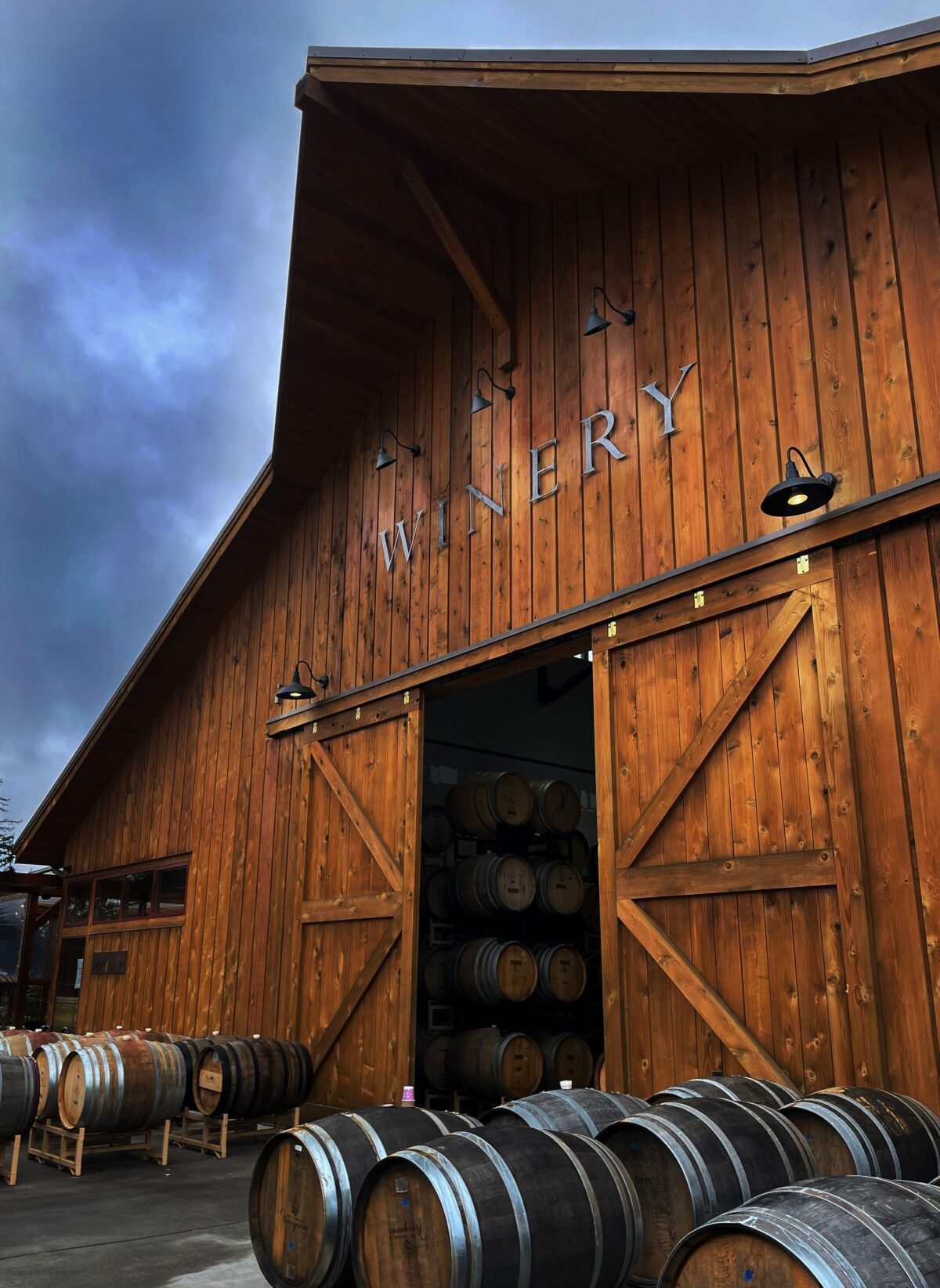
estate painting Napa CA
The condition of the underlying substrate, whether it is wood, stucco, or masonry, plays a significant role in paint performance and longevity. Damaged or deteriorated substrates can cause paint to fail, and addressing substrate issues before painting is needed for a long-lasting finish and to maintain structural integrity.
Winery and estate properties in Napa Valley typically include multiple substrate types on a single building. Stucco walls, wood trim, exposed beam ends, redwood fencing, and concrete foundations may all need coating, and each one calls for a different product approach. A contractor who defaults to one or two standard exterior products across all surfaces is skipping the product science that makes a finish last.
Stucco is rigid and prone to cracks. Most likely there’s a good deal of patching to do before getting started, and stucco can require more paint and take longer to dry. Apply the wrong coating over unprepared stucco and you’ll see cracking and delamination well before the finish should fail.
For wood, and there’s a lot of exposed wood on Napa Valley estates, penetrating stain systems like Sansin outperform film-forming coatings in high-UV environments because they work with the wood rather than sitting on top of it. Most general painters won’t have that conversation with you. They’ll grab whatever they have on the truck.
Problem 2: Prep That Doesn’t Match the Property’s Standards
The most common cause of premature paint failure on wood is moisture. But moisture damage rarely starts with water falling from the sky. It starts with gaps in caulking, failed sealant at trim joints, and paint film that was applied over a surface that wasn’t fully clean, dry, or sound. Those are prep failures, and they’re almost always invisible until the paint starts to lift.
If not properly maintained, even minor signs of wood rot can lead to significant structural issues. On an estate or winery property where architectural detail matters, carved fascia, custom wood doors, decorative trim, letting rot go unaddressed doesn’t just create a paint problem. It creates a restoration problem.
A contractor worth trusting on a property like yours will walk the exterior before they ever open a paint can. They’ll probe trim, inspect caulk joints, flag rot or stucco cracks, and address those repairs as part of the job, not as an afterthought or an upsell. That’s exactly how Napco Painting approaches every exterior walkthrough: pressure washing, scraping, caulking, and substrate repair come before a single coat goes on. The goal is a finish that holds up long-term, not just one that photographs well on day one.
Problem 3: Lead Paint on Historic Estate Structures
Many of the most beautiful estate and winery properties across Napa Valley and Sonoma were built decades ago. If the structure predates 1978, there’s a real possibility that lead-based paint is present somewhere on the property. In general, anyone paid to perform work that disturbs paint in housing and child-occupied facilities built before 1978 must be certified in lead-safe work practices. This includes all firms, even sole proprietorships.
That matters for estate and winery owners because choosing an uncertified contractor puts you and your property in a difficult position. Per the EPA’s Renovation, Repair and Painting Program, firms performing this work must hold active certification at the firm and individual level. Napco holds both firm and individual Certified Renovator credentials, so any lead-safe containment and work practices on older Napa Valley properties are handled to code from the start, not scrambled for after the fact.
It’s a detail many property owners don’t think to ask about until it becomes a problem. Ask before the job starts.
Problem 4: No Capability for Specialty Finishes
Winery tasting rooms, estate interiors, and high-end renovation projects often call for more than a standard coat of paint. Roman clay, limewash, decorative coatings, and fine cabinet finishes are all part of what makes a wine country property feel intentional rather than generic. Most painting contractors can’t do that work, and many won’t tell you that upfront.
The result is a property owner who gets a standard finish where they expected something architectural, or who has to bring in a second vendor (and manage that coordination themselves) to get the specialty work done.
Napco’s in-house Fine Finish Shop is built specifically for this. Cabinet refinishing, Roman clay application, limewash, decorative coatings- that work comes out of a controlled shop environment and gets applied by painters who do it regularly. For general contractors and designers working on Napa Valley estate renovation projects, that means one partner for the full scope rather than a patchwork of subcontractors.
Problem 5: Poor Communication on a High-Value, Occupied Property
Even when a painting contractor does good technical work, the experience of having a crew on a high-value estate can go sideways fast. Guests arriving at a tasting room shouldn’t walk through an unprotected work zone. Valuable furnishings and finishes inside a residence deserve documented protection before anyone picks up a brush. A project manager who disappears after the bid and reappears at the invoice is not the right fit for a property where expectations are this high.
A winery painting contractor Napa Valley estates can rely on needs to communicate in plain terms, daily, about what’s happening on the job. That’s how Napco runs every project: the estimator walks the scope on video before work begins, the field team receives a full Field Work Directive so they show up briefed, and clients get clear updates throughout rather than silence followed by a surprise.
For estate owners, that structure means no guessing about what crew is doing what and where. For general contractors and designers, it means a subcontractor who handles their own coordination and doesn’t create problems they have to clean up.
What to Look for in a Winery Painting Contractor in Napa Valley
When you’re evaluating a winery painting contractor Napa Valley property owners actually trust, a few things separate the right choice from a regret:
- Proof of EPA RRP certification, both firm and individual renovator credentials, not just a claim
- A written, itemized proposal, scope, exclusions, payment schedule, and product specs laid out clearly before work begins
- Product knowledge specific to Napa’s climate, contractors who can explain why they’re choosing a specific primer or topcoat for your substrate
- Specialty finish capability, or honest acknowledgment of what they can and can’t do in-house
- References from comparable properties, winery, estate, or high-end residential work in Napa or Sonoma
- Daily communication and a defined process, from walkthrough to final punch, not a black box between signing and billing
Napco has been serving winery, estate, and commercial properties across Napa and Sonoma since 1997. Since 1997, the company has grown from a partnership between two local painters into one of the region’s most trusted names in residential, commercial, and fine-finish painting. The team brings more than 500 combined years of experience to every project, with painters who have been with the company for 20 and 30-plus years. That continuity is not an accident; it’s how consistent quality gets delivered across 3,000-plus completed projects.
For an estate painting Napa, CA project, whether it’s an exterior repaint on a historic winery building, a tasting room interior, or a full property renovation alongside a general contractor, the process, the product knowledge, and the communication standards all have to match the caliber of the property. Areas that deteriorate the fastest are those exposed to the greatest amount of sunshine and rain. According to Purdue University Extension’s paint failure research, those south and west-facing surfaces are also the ones that demand the most from prep and product selection, which is exactly where cutting corners shows up first.
Ready to Talk About Your Property?
If you own or manage a winery, vineyard estate, or high-value property in Napa or Sonoma, and you want a winery painting contractor Napa Valley clients trust with their most visible assets, Napco Painting Contractors, Inc is ready to walk your property and put together a detailed, itemized proposal. No vague estimates. No surprises mid-job. Just an honest scope, the right products, and a team with the experience to back it up.
We serve Napa, Sonoma, St. Helena, Calistoga, Oakville, and surrounding areas, and we’re available Monday through Friday from 7 a.m. to 4 p.m. Schedule your free consultation today. Call Us Now! 707-466-6249 When it comes to a winery painting contractor in Napa Valley, getting the details right from the start is what saves you time and money.